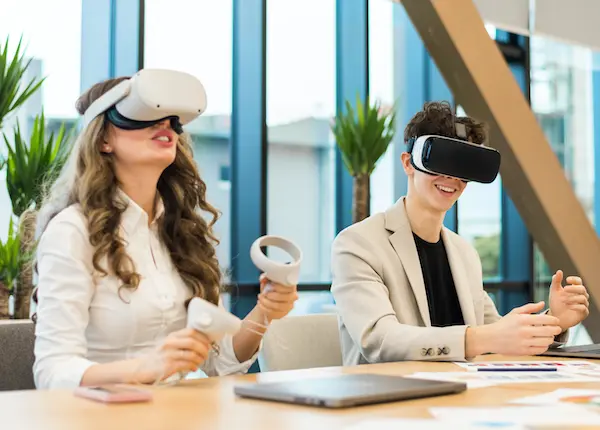
In today's fast-paced world, digital transformation is no longer just a buzzword; it's a fundamental shift reshaping every industry, and the education sector is no exception. Have you ever wondered how our classrooms will look a decade from now? The chalkboard and textbook model is rapidly evolving into a dynamic, tech-powered ecosystem designed to empower both students and educators.
This isn't merely about putting a few computers in a classroom. It’s about a profound revolution in teaching and learning that's redefining the entire educational landscape. From the rise of online education to the strategic use of Learning Management Systems (LMS), technology is paving the way for a more personalized and effective student experience. Join us as we explore how these innovations are creating the "classroom of tomorrow" and preparing us all for a brighter, more connected future.
How do we move beyond a one-size-fits-all approach to education? The answer lies in digital transformation, which is fundamentally reshaping the student experience by making teaching and learning more dynamic and tailored. We're entering an era where technology doesn't just assist; it actively enhances a student's journey, making it more personal, engaging, and effective than ever before.
Imagine a learning environment that adapts to you—not the other way around. This is the promise of AI (Artificial Intelligence) in education. Adaptive learning platforms, powered by AI, analyze a student's performance, strengths, and weaknesses in real-time. This allows them to dynamically adjust content, pace, and feedback, creating a truly customized learning path for every individual. The result? A deeper understanding of concepts, improved comprehension, and optimized learning outcomes because each student is challenged at just the right level, fostering a sense of success and sustained engagement.
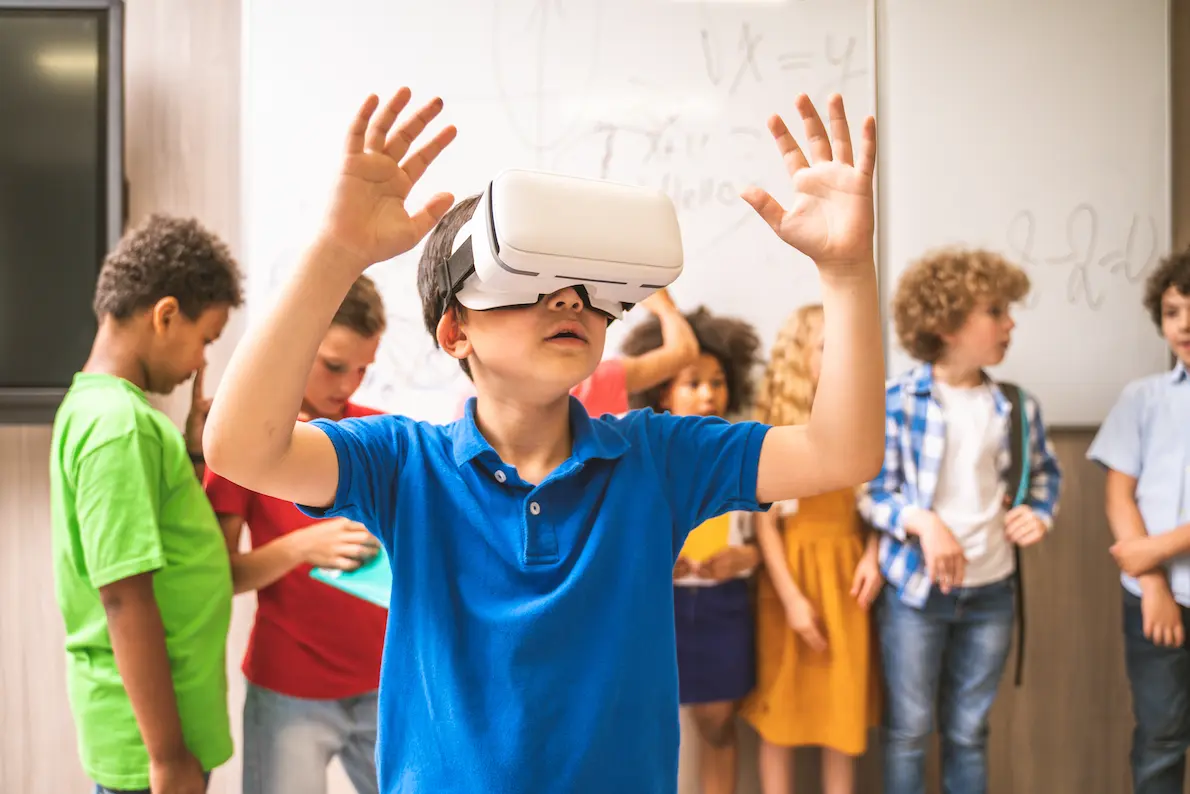
Beyond personalization, the classroom of tomorrow is about making education an adventure. Have you ever wished you could travel inside a human cell or witness a historical event firsthand? The integration of VR/AR (Virtual Reality/Augmented Reality) is making this a reality. These technologies create immersive and interactive environments that turn abstract concepts into tangible, hands-on experiences. Combined with gamification, which introduces game-like elements into learning, these tools significantly increase student motivation, develop critical thinking skills, and transform the educational journey into a captivating, memorable experience. This shift from passive consumption to active participation is key to preparing students for a future where adaptability and critical engagement are paramount.
While the spotlight is often on the student experience, digital transformation offers a powerful set of tools that fundamentally changes the day-to-day for educators and institutions. We're moving away from a model where teachers are bogged down by administrative tasks and limited by physical walls. Instead, technology is freeing up valuable time and breaking down traditional barriers to create a more efficient and inclusive education sector.
Have you ever wondered how much time is lost to manual grading, attendance tracking, and paperwork? With the advent of Cloud Computing and robust Learning Management Systems (LMS), educators can now automate many of these mundane tasks. These digital tools centralize resources, student data, and communication, significantly reducing the administrative burden. By freeing teachers from hours of clerical work, we empower them to do what they do best: focus on direct instruction, provide one-on-one support, and foster genuine connections with their students. This enhanced institutional efficiency leads to better resource allocation and, ultimately, a more impactful learning environment for everyone.
The digital revolution is not just about making things better; it’s about making them available to all. Online Education has become a powerful force for equity, dismantling the geographical and physical barriers that have long limited access to quality schooling. Using remote solutions and online platforms, students in rural areas or those with mobility challenges can now access the same high-caliber courses as their urban counterparts. This global reach, supported by a mix of LMS and E-learning tools, provides inclusive opportunities for diverse learners, fostering lifelong learning and preparing a global community ready to thrive in a digital-first world.
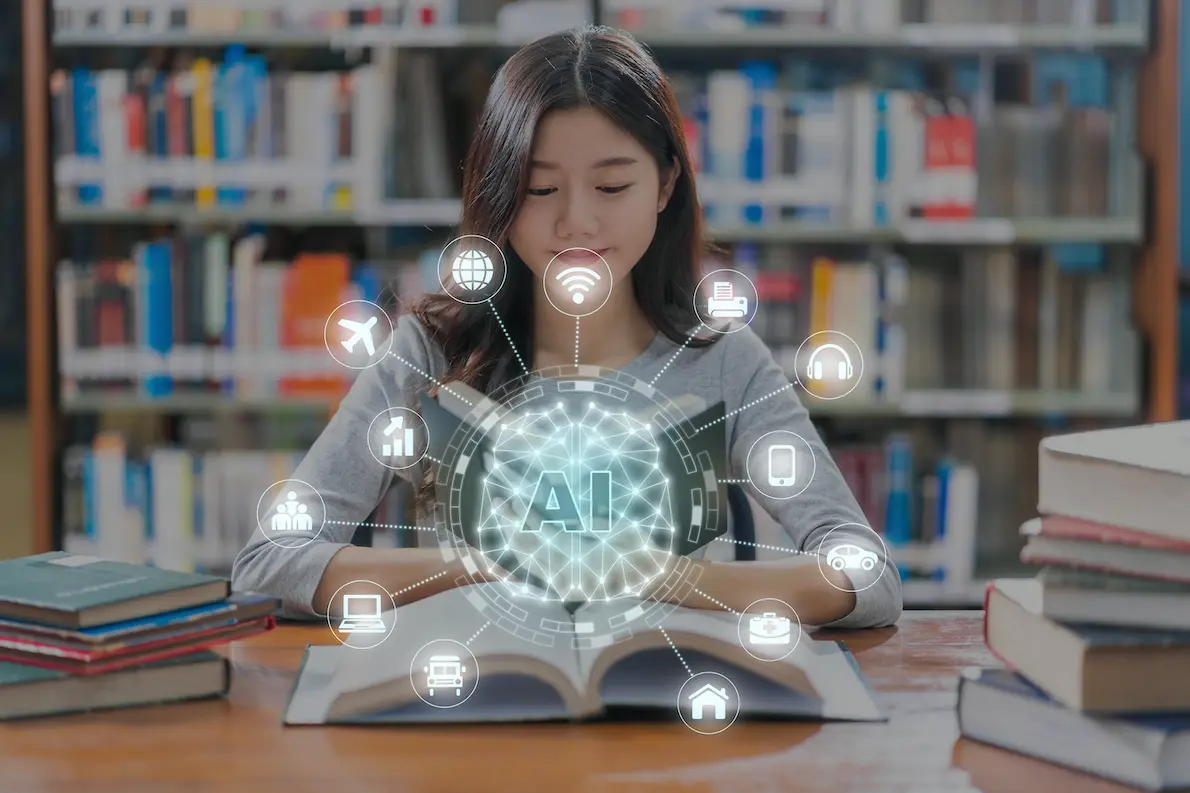
As we've seen, the shift to the classroom of tomorrow is an exciting journey powered by Digital Transformation. We have explored how technology is creating more personalized and engaging Student Experience by leveraging tools like AI and VR/AR. We've also seen how it is empowering educators and expanding access to quality Online Education, breaking down barriers that once limited opportunities.
But let’s be clear: this revolution in the Education Sector is not about replacing the human element of Teaching and Learning. Rather, it's about giving us all better tools to unlock our full potential. It’s about leveraging the power of technology to free up time, offer new perspectives, and make education a more dynamic, accessible, and fulfilling experience for everyone involved.
So, as we move forward, how will we continue to embrace this digital evolution? The path ahead requires strategic planning, a commitment to equity, and a collaborative spirit. By continuing to adopt and innovate, we can ensure that the transformative power of technology serves as a cornerstone for building a brighter, more connected educational future for generations to come.
A leading education futurist and digital learning specialist, Dr. Das helps educators and students navigate the shift to innovative, technology-driven classrooms of tomorrow.