In today's fast-paced world, the ability to collaborate, communicate, and adapt has become just as crucial as technical expertise. We've all heard the saying, "hard skills get you the interview, but soft skills get you the job." Yet, developing these essential competences can be a challenge. How do we move beyond theory and into practical application?
This is where Artificial Intelligence is driving a significant transformation in the way we approach soft skill development. Traditional methods of learning often lack the personalized, real-time feedback needed for true growth. But what if there was a way to practice difficult conversations, refine your presentation style, or improve your leadership skills in a safe, dynamic environment?
AI and other digital tools are now making this a reality, revolutionizing apprenticeship and education. This post will explore the powerful benefits of AI-driven technologies and how they are shaping the next generation of professionals.
Have you ever finished a presentation or a difficult conversation and wished you could get an objective analysis of your performance? Traditional coaching for soft skills often relies on infrequent, subjective feedback, making it hard to track real progress. But what if you could get personalized, instant insights on your communication style, tone, and body language?
This is the promise of Artificial Intelligence in education and professional development. Instead of a one-size-fits-all approach, these advanced technologies are driving a transformation by offering tailored learning experiences.
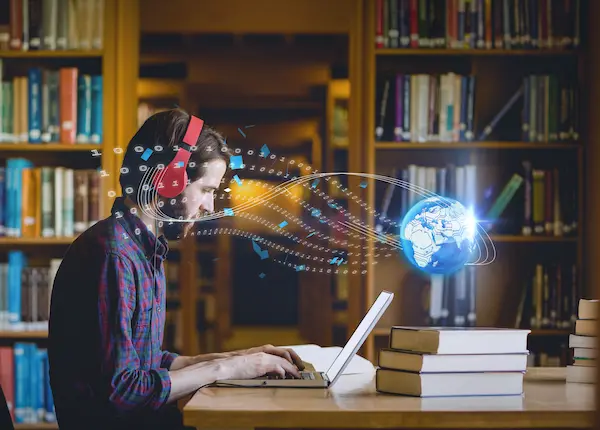
AI platforms leverage sophisticated algorithms to analyze your verbal and non-verbal communication in real time. Imagine using a digital tool that listens to your speech and provides immediate, constructive feedback on your pace, clarity, and use of filler words. It can even analyze facial expressions and eye contact during a video call to help you become a more confident and engaging speaker. This continuous feedback loop allows you to make immediate adjustments and accelerate your learning journey.
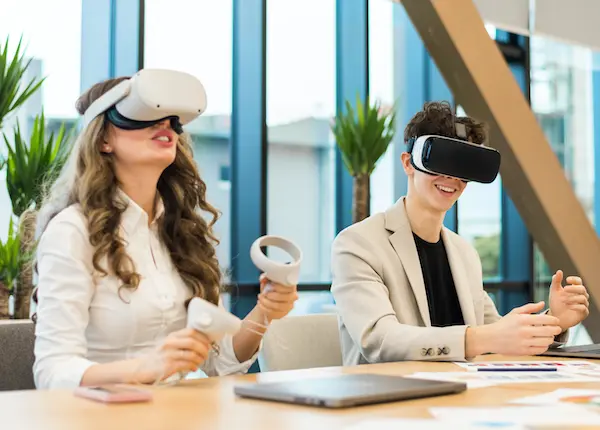
One of the biggest challenges with developing new competences is the fear of failure. No one wants to make a mistake during a high-stakes meeting. But what if you could practice in a risk-free environment? AI-driven simulations and virtual reality (VR) scenarios are becoming a new kind of apprenticeship. They offer a space where you can practice difficult conversations, negotiate with AI-powered avatars, or lead a virtual team meeting. These digital tools create realistic environments, allowing you to experiment with different approaches and build confidence without the pressure of a real-world audience. This hands-on formation helps you internalize new behaviors so they feel natural when you need them most.

As organizations increasingly rely on data to make strategic decisions, the same principle is now being applied to workforce development. Instead of guessing where skill gaps lie, Artificial Intelligence offers a powerful way to gain actionable insights. How can you be sure your team's competences are a match for your business goals?
AI and other advanced digital tools are enabling a more scientific approach to identifying where your team's soft skills need the most development. By analyzing data from performance reviews, team communication, and training simulations, AI platforms can create detailed profiles of both individual and organizational strengths and weaknesses. This data-driven approach moves beyond a simple "gut feeling" and provides clear, measurable evidence of skill gaps. This allows managers and L&D teams to create highly targeted training plans that are far more effective and resource-efficient than traditional, one-size-fits-all programs.
Beyond diagnostics, AI is also driving a transformation in the accessibility of formation. Traditional apprenticeship and coaching were often exclusive, expensive, and difficult to scale across a large, distributed workforce. But with AI-powered technologies, personalized learning is now available to everyone, everywhere. These platforms offer on-demand training, micro-learning modules, and virtual coaching that employees can access anytime, fitting seamlessly into their busy schedules. This not only makes continuous learning more efficient but also dramatically lowers the cost, ensuring that building crucial soft skills is no longer a luxury but a fundamental part of every employee's journey.
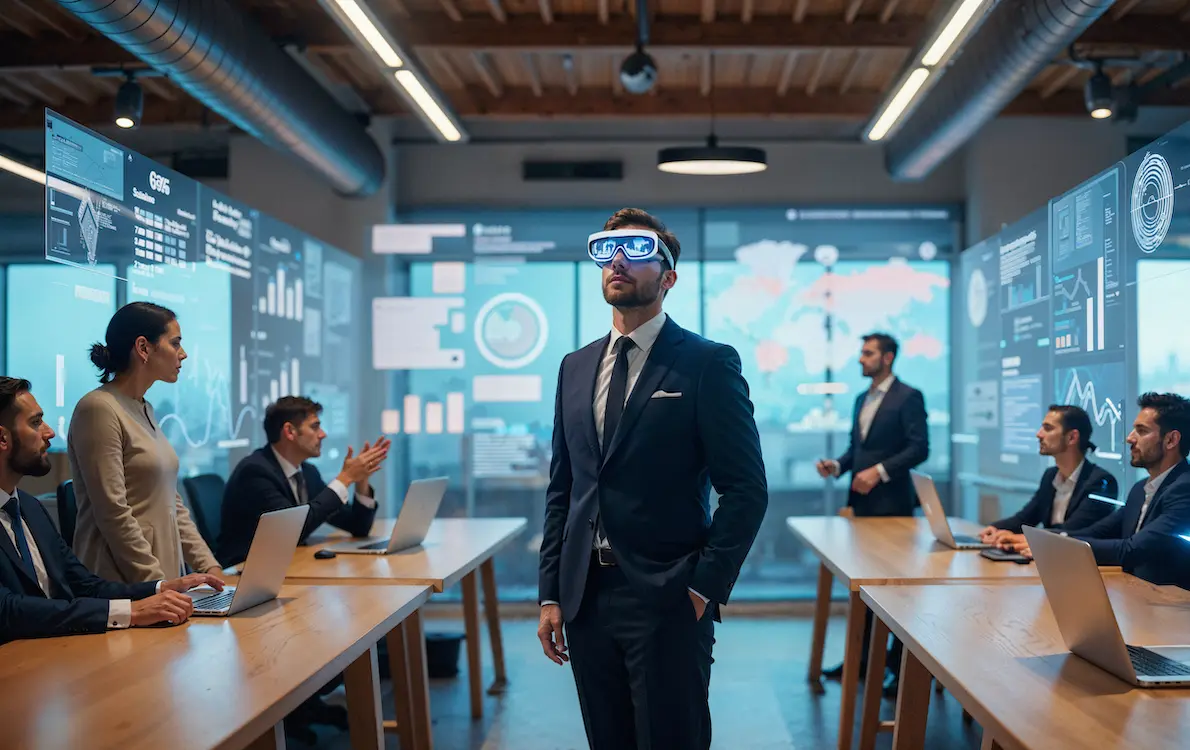
Artificial Intelligence is no longer just a futuristic concept; it's a powerful and practical partner in our professional journey. We’ve seen how AI technologies are driving a transformation in soft skill development by offering what traditional methods often can’t: personalized, real-time feedback and a safe space to practice. By analyzing your performance and providing actionable analytics, these digital tools move us from guesswork to data-driven growth. This isn't just about learning; it's about a fundamental shift in how we approach our own professional formation.
As we look to the future of work, the relationship between humans and AI will continue to evolve. It's not a question of humans versus machines, but of humans with machines. AI handles the data-intensive tasks, freeing us to focus on the uniquely human competences that truly set us apart—creativity, empathy, and critical thinking.
An AI ethicist and leadership coach, Dr. Kumar specializes in leveraging technology to enhance human skills. He is passionate about preparing professionals for the future of work.